

Stage 1: Feasibility Assessment
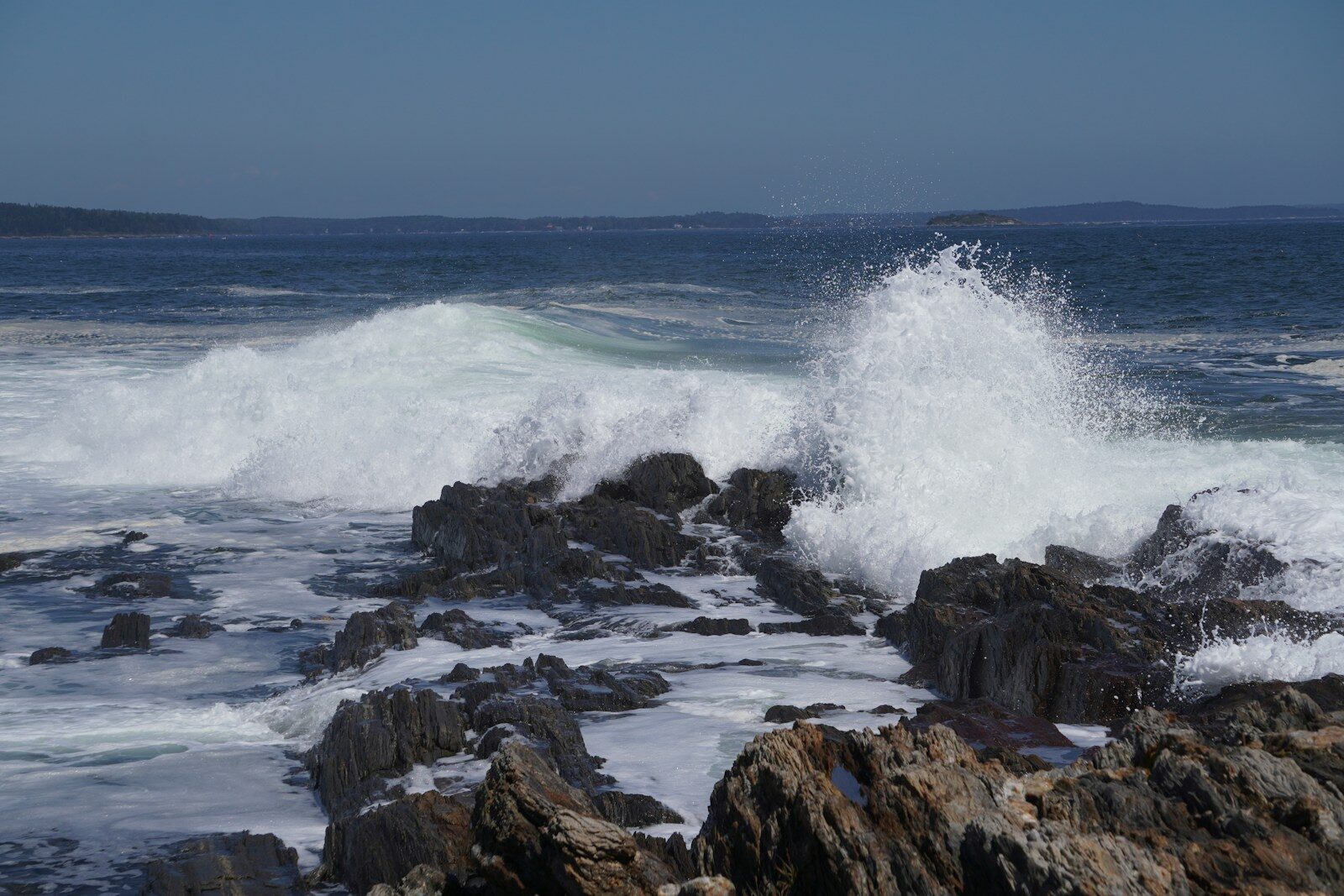
Early feasibility analysis reduces offshore investment risk. Environmental conditions require detailed site characterization first. Thus, floating LiDAR captures wind profiles and ocean dynamics accurately. Collected data to guide project financing strategies effectively. Subsequently, stakeholders obtain validated environmental intelligence quickly.
Stage 2: Pre-Construction Verification
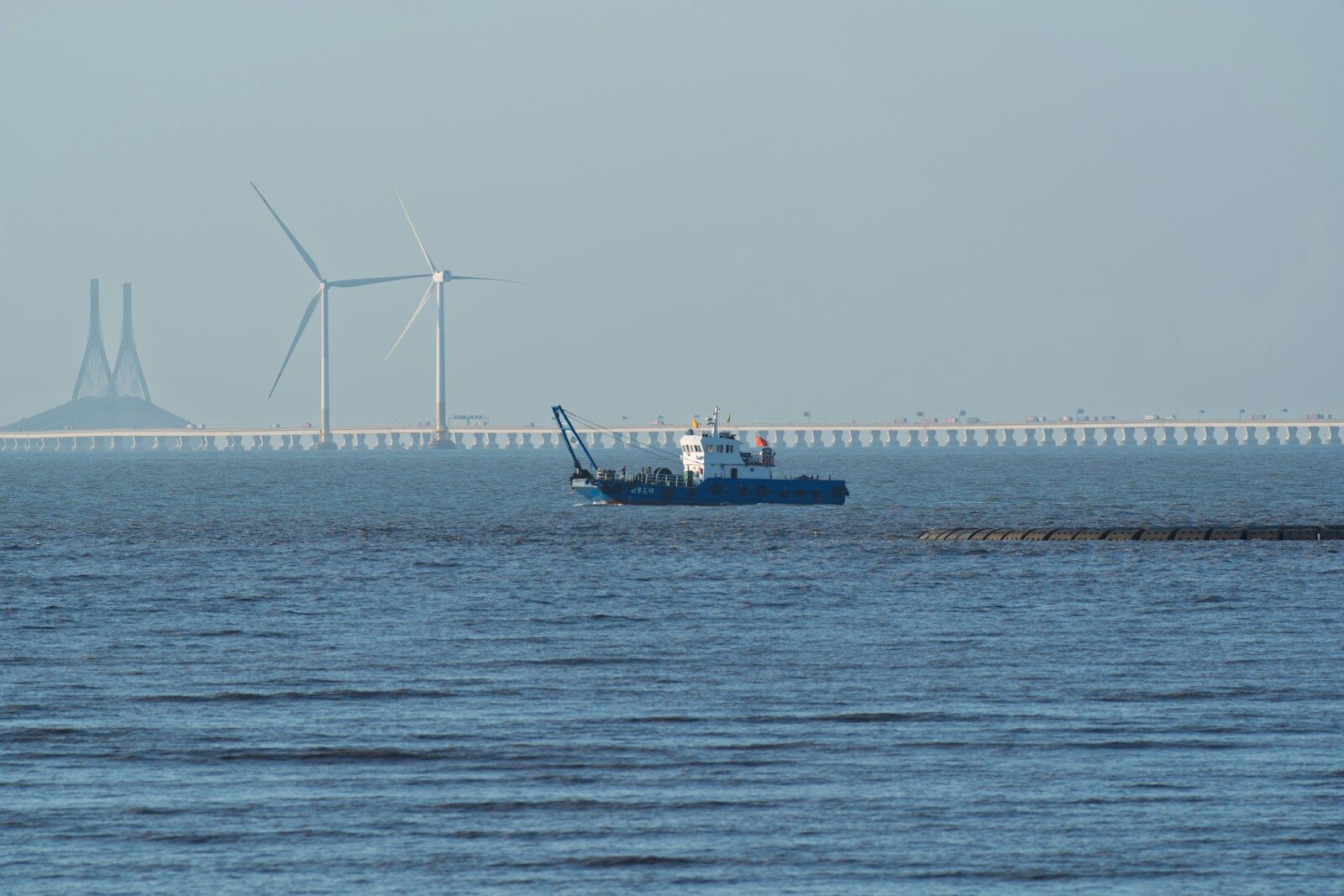
Pre-construction verification confirms project design assumptions. Engineers validate wind resource models against real measurements. Additionally, advanced analytics highlight microclimate variations precisely. Consistent monitoring improves turbine layout optimization decisions. Consequently, developers reduce engineering uncertainty significantly.
Stage 3: Construction Monitoring
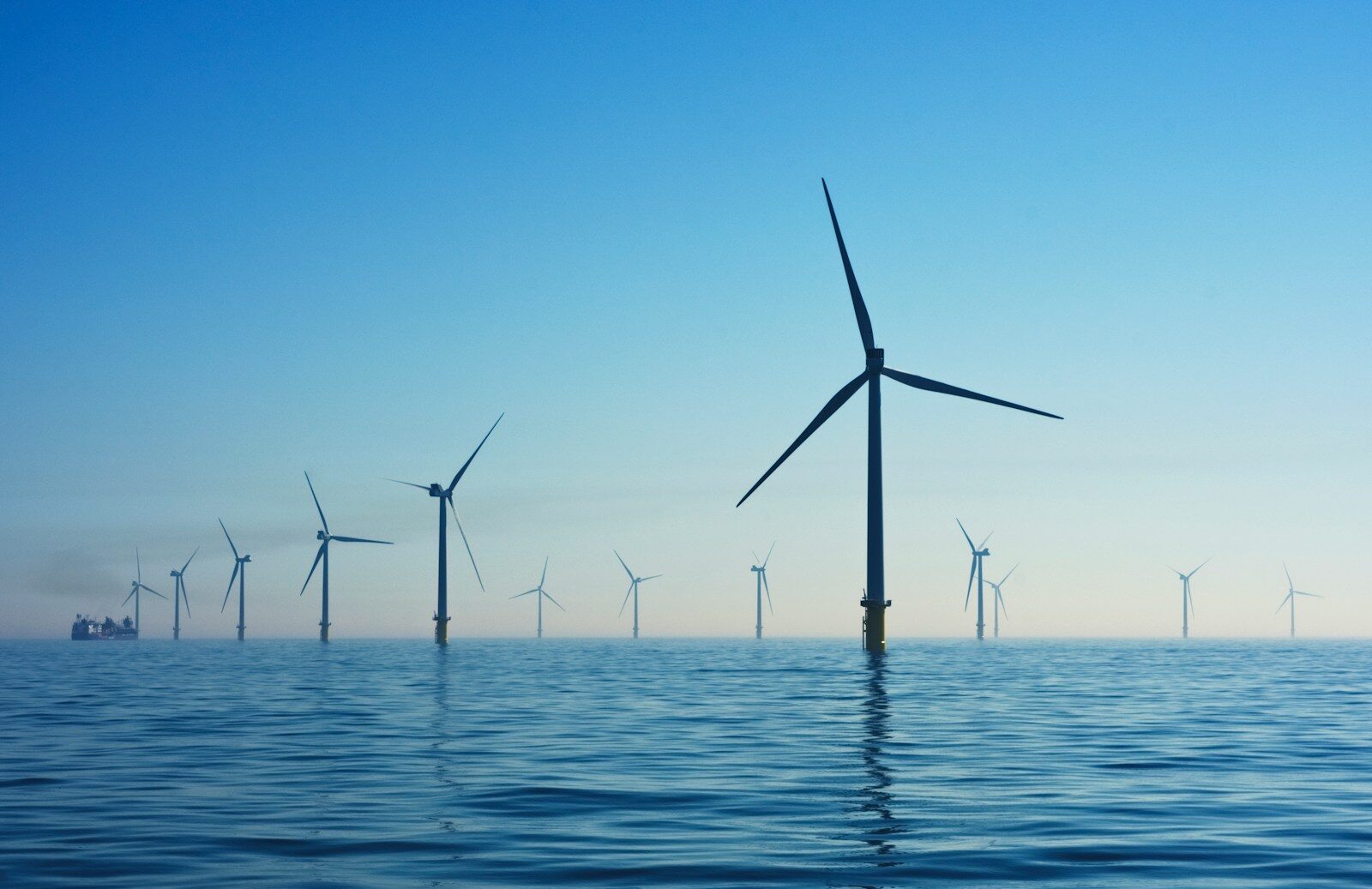
Construction phases demand ongoing environmental monitoring. Floating platforms provide uninterrupted data streams offshore. Meanwhile, predictive analytics detect operational anomalies early. Project teams maintain compliance with environmental regulations efficiently. Therefore, installation timelines remain stable and predictable.
Stage 4: Operational Performance Validation
Operational validation ensures turbine efficiency after deployment. Continuous monitoring tracks performance against expected energy output. Furthermore, AI analytics identify maintenance needs proactively (Predictive Maintenance). Reliable performance data supports long-term financing confidence. Consequently, operators maximize asset productivity sustainably.