

Stage 3: Construction Monitoring

Maintain visibility, compliance, and stability during offshore execution.

Offshore Data Without Compromise

Construction is one of the most operationally sensitive phases of any offshore project. Environmental conditions can affect installation schedules, vessel planning, safety, and regulatory compliance. Continuous access to accurate site intelligence helps project teams respond faster and maintain control throughout the construction period.

Betz Group provides uninterrupted offshore monitoring and predictive analytics that support informed execution, improved coordination, and greater schedule stability during installation.

Continuous Offshore Data Streams

Construction environments require real-time awareness. Our floating monitoring platforms provide continuous wind, wave, and environmental data throughout offshore activities, giving project teams the visibility needed to manage operational decisions with confidence.

This persistent measurement supports more agile planning and better on-site responsiveness as conditions change.

Predictive Intelligence for Operational Awareness

Beyond measurement alone, Betz Group applies predictive analytics to identify potential anomalies and changing site conditions early. This added layer of intelligence helps teams prepare for disruptions before they escalate into delays or operational inefficiencies.

Proactive monitoring supports safer and more predictable construction execution.

Compliance and Schedule Confidence

Environmental monitoring also plays an essential role in maintaining compliance with offshore permitting and regulatory requirements. With accurate reporting and consistent data capture, project teams can document conditions clearly while improving coordination across stakeholders.

By reducing uncertainty during construction, developers can protect timelines, control risk, and support smoother project delivery.

Keep offshore construction informed and on track.

OFFSHORE STAGES

End-to-End Offshore Wind Validation Lifecycle
raging water

Stage 1: Feasibility Assessment

Early feasibility analysis reduces offshore investment risk. Environmental conditions require detailed site characterization first. Thus, floating LiDAR captures wind profiles and ocean dynamics accurately. Collected data to guide project financing strategies effectively. Subsequently, stakeholders obtain validated environmental intelligence quickly.
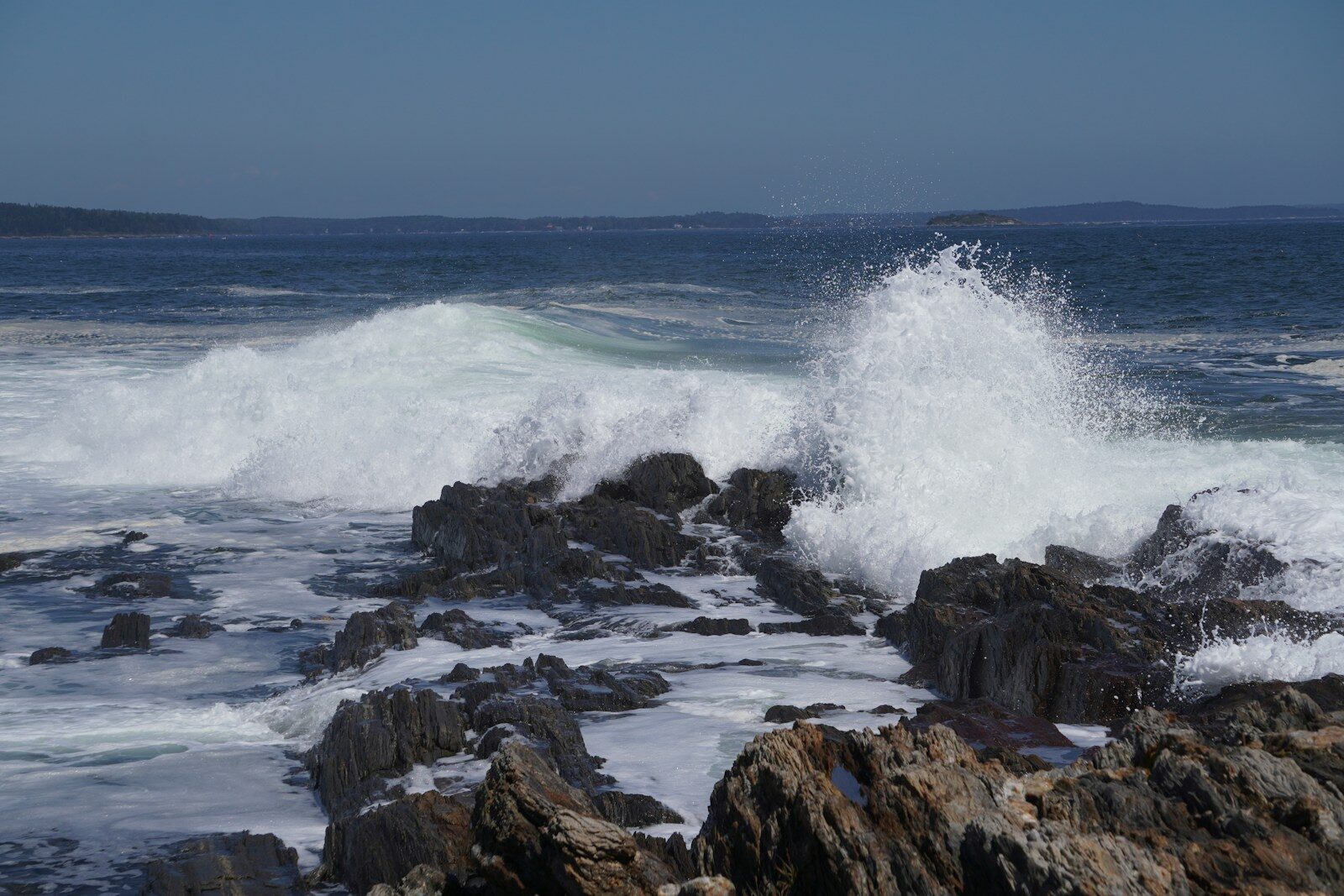
Waves crashing against rocky shore under the clear sky

Stage 2: Pre-Construction Verification

Pre-construction verification confirms project design assumptions. Engineers validate wind resource models against real measurements. Additionally, advanced analytics highlight microclimate variations precisely. Consistent monitoring improves turbine layout optimization decisions. Consequently, developers reduce engineering uncertainty significantly.
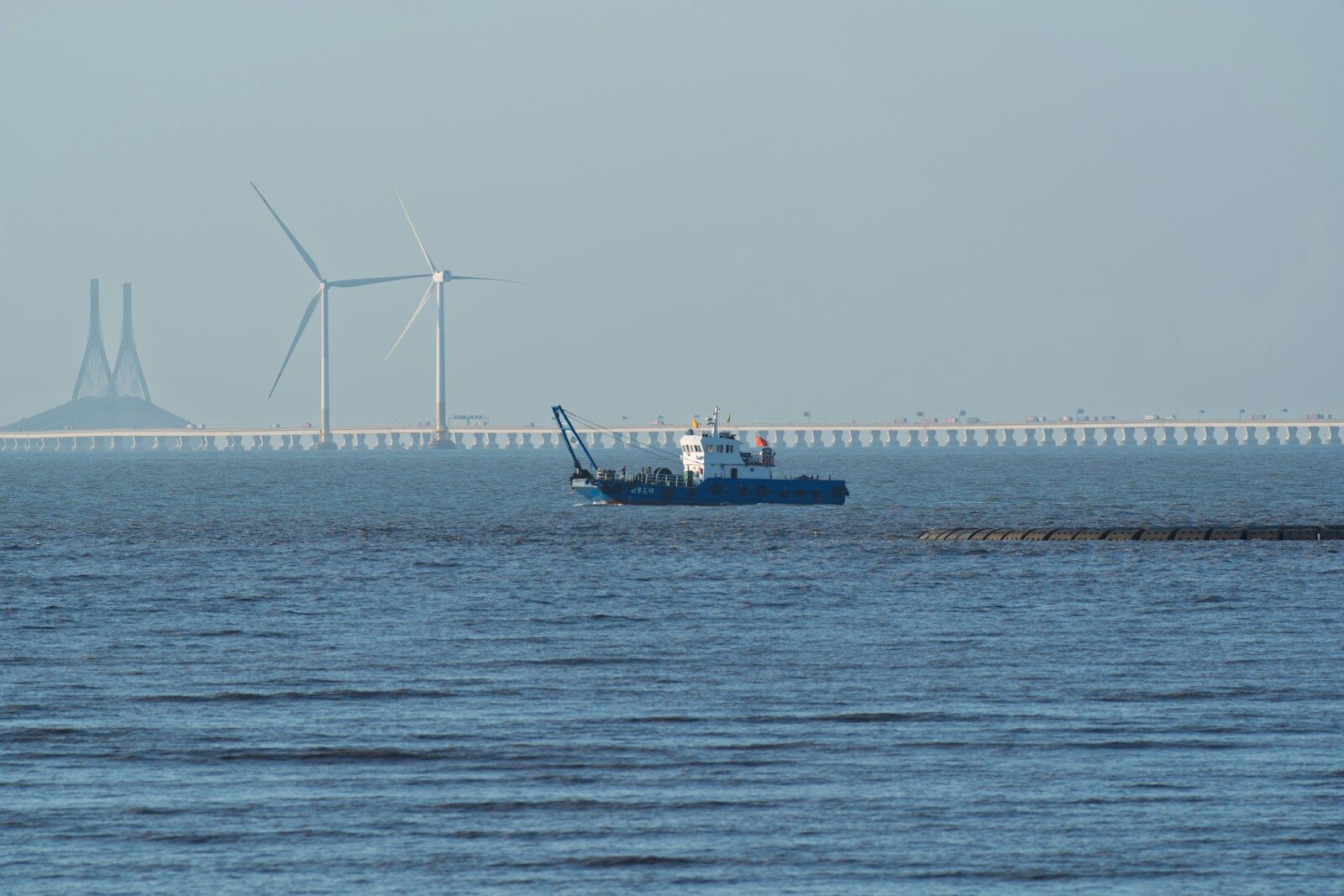
A dredging boat sails past wind turbines and a bridge.

Stage 3: Construction Monitoring

Construction phases demand ongoing environmental monitoring. Floating platforms provide uninterrupted data streams offshore. Meanwhile, predictive analytics detect operational anomalies early. Project teams maintain compliance with environmental regulations efficiently. Therefore, installation timelines remain stable and predictable.
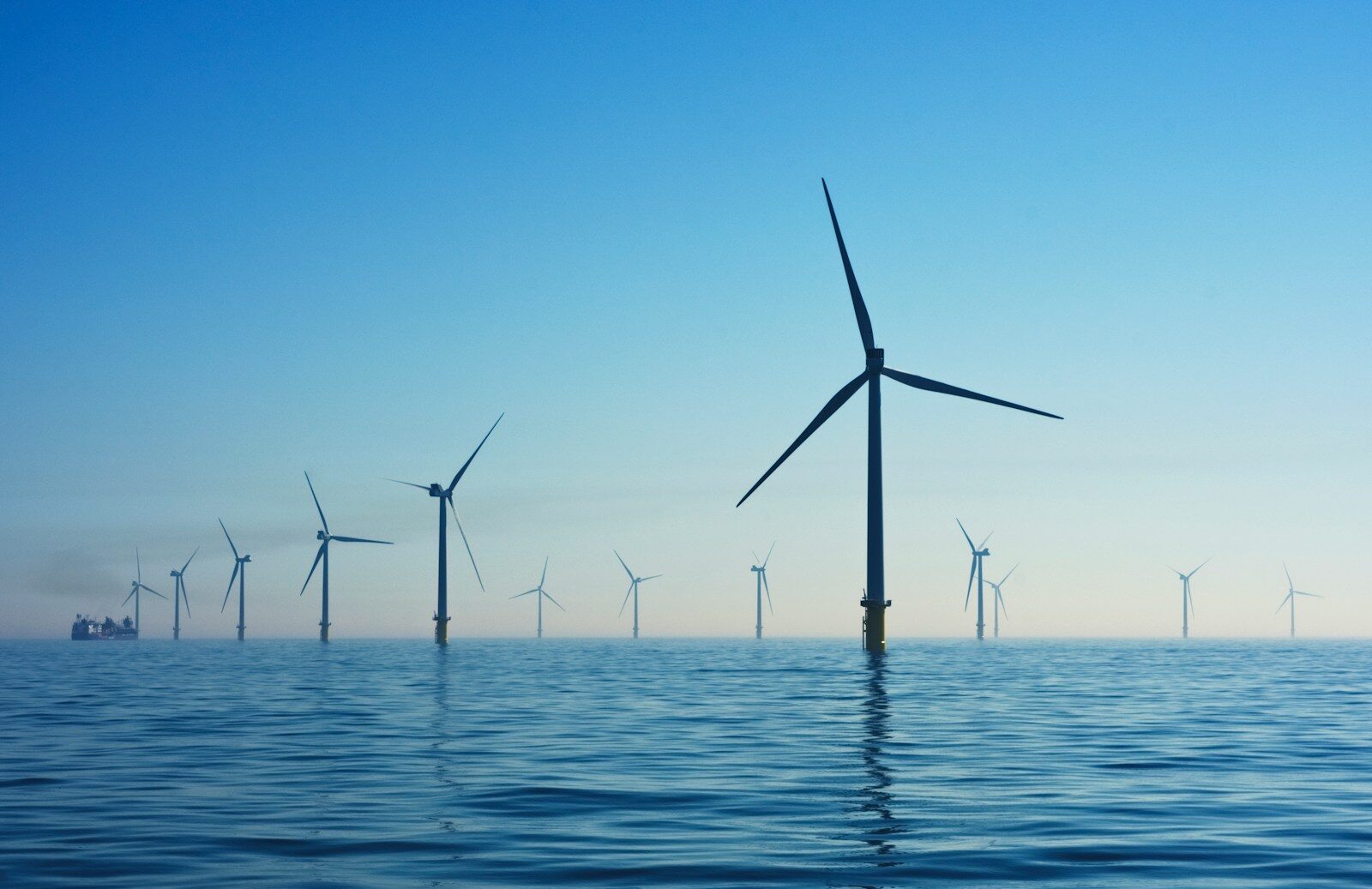
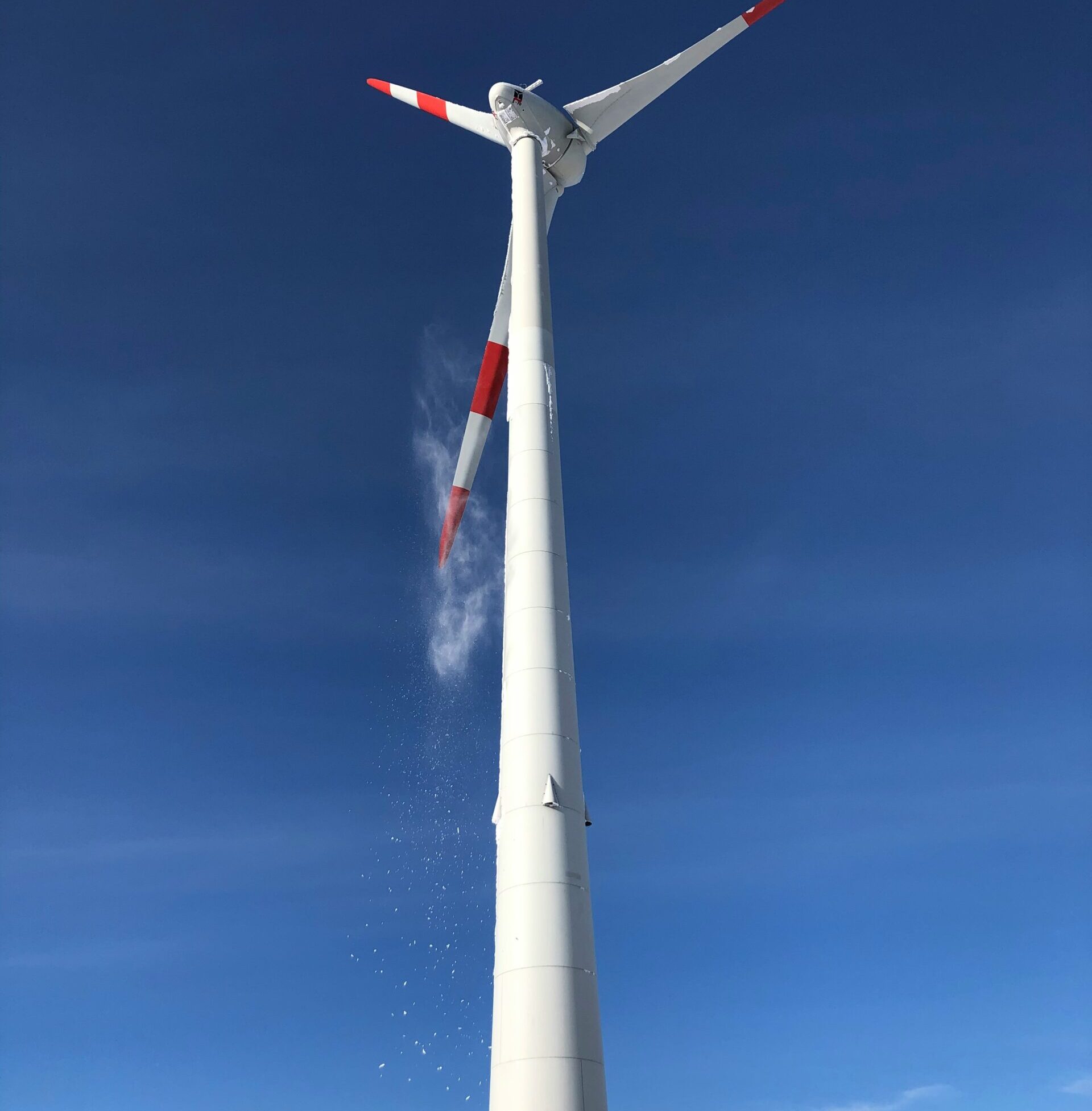
white electic windmill

Stage 4: Operational Performance Validation

Operational validation ensures turbine efficiency after deployment. Continuous monitoring tracks performance against expected energy output. Furthermore, AI analytics identify maintenance needs proactively (Predictive Maintenance). Reliable performance data supports long-term financing confidence. Consequently, operators maximize asset productivity sustainably.

Contact BETZ