

Stage 1: Feasibility Assessment
Reduce offshore uncertainty before capital is committed.
Offshore Data Without Compromise
Early-stage offshore projects depend on accurate environmental intelligence. Before development decisions can move forward, stakeholders need confidence in the wind resource, ocean conditions, and site-specific constraints that shape project feasibility.
Betz Group delivers advanced floating LiDAR and environmental monitoring solutions that support high-quality site characterization from the outset. By capturing accurate wind profiles and ocean dynamics, we help developers, investors, and project teams reduce uncertainty and build a stronger foundation for planning, financing, and execution.
Bankable Environmental Intelligence
Feasibility assessment begins with reliable offshore measurement. Our floating LiDAR systems provide precise wind resource data alongside key metocean observations, enabling a more complete understanding of site conditions.
This intelligence supports early project screening, improves development assumptions, and creates a clearer picture of technical and commercial viability.
Detailed Site Characterization
Offshore environments are complex and highly variable. Wind shear, turbulence, wave behavior, and current conditions all influence project design and risk.
Our monitoring systems collect site-specific data that helps stakeholders move beyond generalized assumptions and into data-backed decision-making. The result is a stronger feasibility case and a more credible basis for project advancement.
Supporting Investment Confidence
Accurate measurement is critical to reducing perceived project risk. By delivering validated environmental data early in the development cycle, Betz Group helps support financing strategies, internal approvals, and stakeholder confidence.
With high-quality measurement and analytics in place, teams can move forward faster with greater clarity and reduced uncertainty.
Build confidence before development begins.
OFFSHORE STAGES
End-to-End Offshore Wind Validation Lifecycle

Stage 1: Feasibility Assessment
Early feasibility analysis reduces offshore investment risk. Environmental conditions require detailed site characterization first. Thus, floating LiDAR captures wind profiles and ocean dynamics accurately. Collected data to guide project financing strategies effectively. Subsequently, stakeholders obtain validated environmental intelligence quickly.
Stage 2: Pre-Construction Verification
Pre-construction verification confirms project design assumptions. Engineers validate wind resource models against real measurements. Additionally, advanced analytics highlight microclimate variations precisely. Consistent monitoring improves turbine layout optimization decisions. Consequently, developers reduce engineering uncertainty significantly.
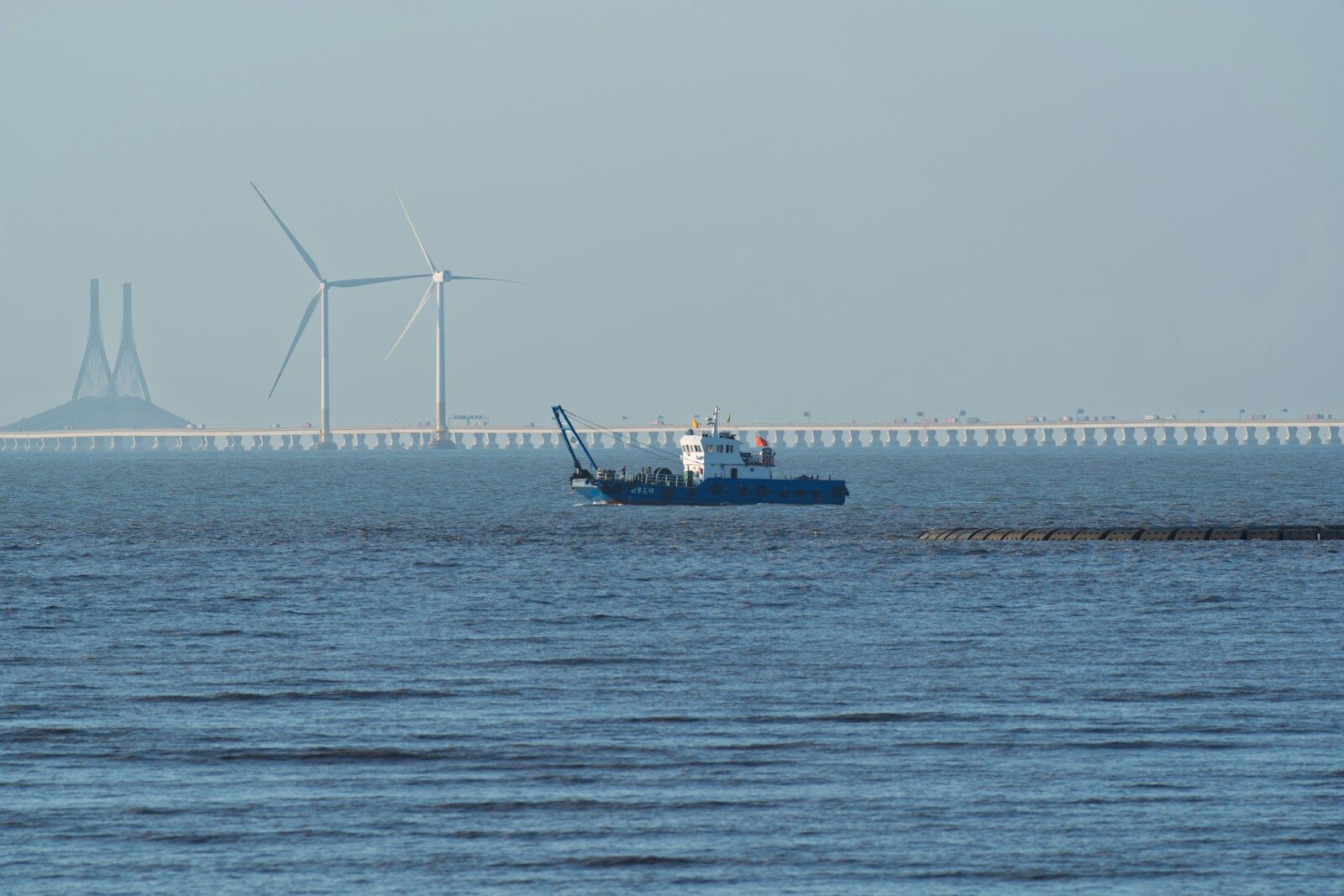
Stage 3: Construction Monitoring
Construction phases demand ongoing environmental monitoring. Floating platforms provide uninterrupted data streams offshore. Meanwhile, predictive analytics detect operational anomalies early. Project teams maintain compliance with environmental regulations efficiently. Therefore, installation timelines remain stable and predictable.
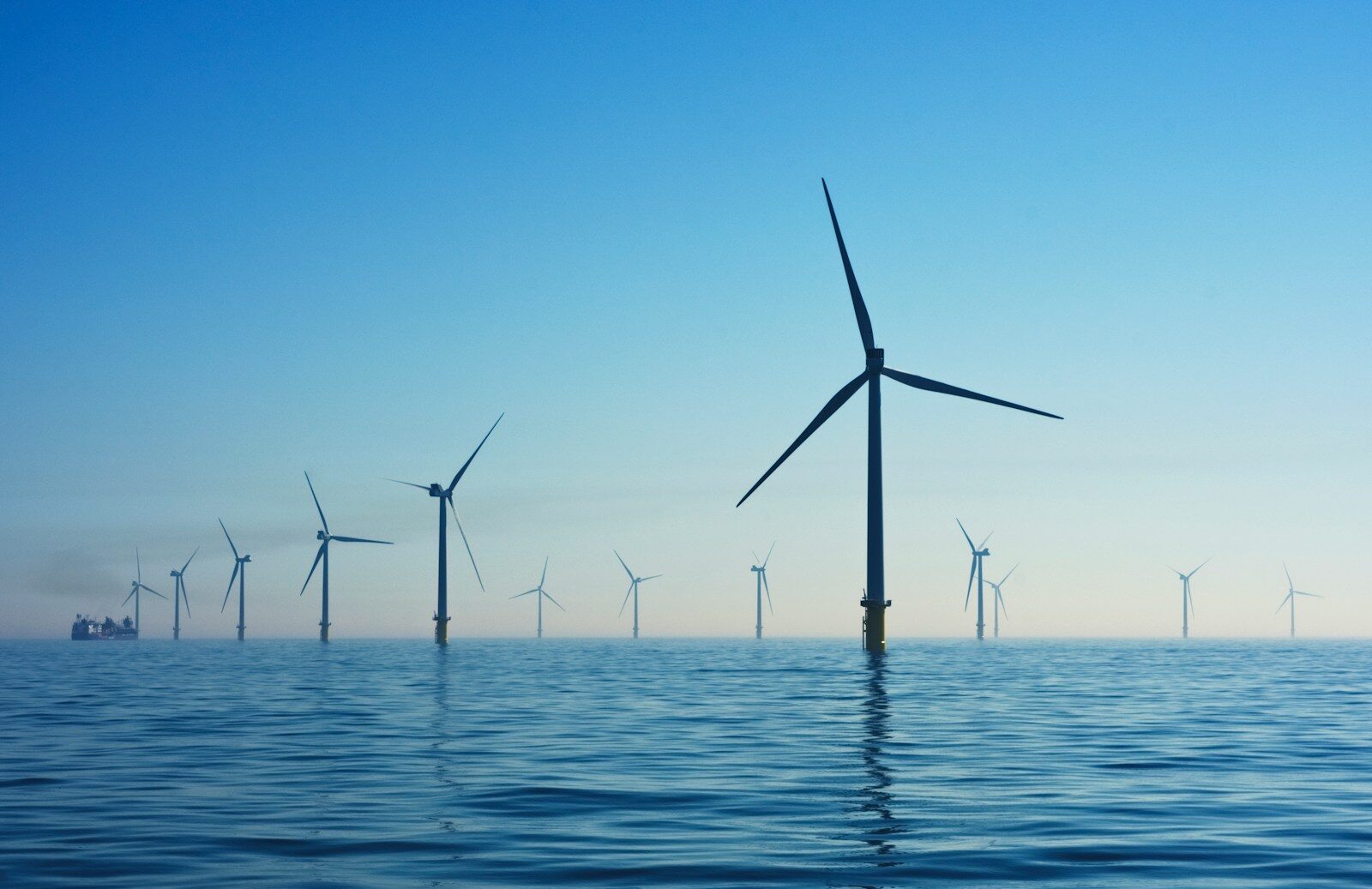
Stage 4: Operational Performance Validation
Operational validation ensures turbine efficiency after deployment. Continuous monitoring tracks performance against expected energy output. Furthermore, AI analytics identify maintenance needs proactively (Predictive Maintenance). Reliable performance data supports long-term financing confidence. Consequently, operators maximize asset productivity sustainably.